
Fuel Your Athletic Performance with Protein-Focused Nutrition
Discover evidence-based protein diet plans specifically designed for male athletes. Learn how to optimize your nutrition for strength, endurance, and recovery through our comprehensive editorial guide.
The information on this site is for educational purposes only and does not constitute medical advice. Always consult a qualified healthcare professional before making health decisions.
Why Protein Matters for Athletes
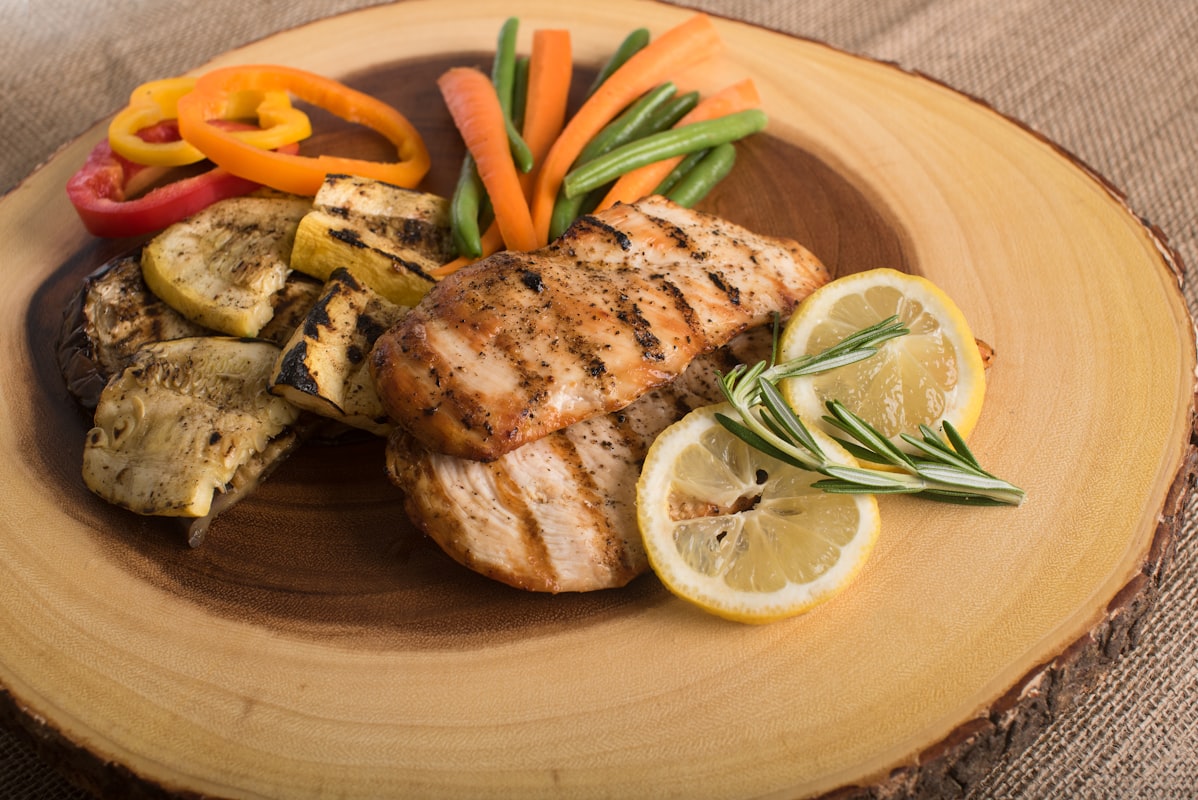
Protein is the foundational nutrient for athletic performance. Our editorial team explains the science behind protein intake and how it directly impacts muscle repair, strength gains, and recovery.
Muscle Development and Repair
Protein provides amino acids essential for rebuilding muscle fibers after intense training. Athletes require higher protein intake than sedentary individuals to support continuous muscle adaptation and growth.
Enhanced Recovery
Consuming adequate protein post-workout accelerates recovery by reducing muscle soreness and promoting faster adaptation to training stimuli. This allows athletes to train more frequently and intensively.
Performance and Strength
Adequate protein intake supports lean body composition, improves strength metrics, and contributes to overall athletic performance across various sports and training disciplines.
Protein Diet Plan Categories
We provide detailed articles on multiple protein diet approaches designed specifically for male athletes with different training goals and preferences.
High-Protein, Low-Carb Plans
Learn how to structure a diet emphasizing protein while minimizing carbohydrates. This approach suits athletes focused on lean muscle development and fat loss during competition phases.
Plant-Based Protein Strategies
Discover how to meet protein requirements through plant-based sources. Our guide covers legumes, grains, nuts, and supplements to support athletic performance on a vegetarian or vegan diet.
Balanced Macronutrient Plans
Explore comprehensive nutrition protocols that optimize protein, carbohydrates, and fats for sustained performance. Ideal for endurance athletes and those in building phases.
Supplementation Guidelines
Our editorial content covers protein powders, amino acids, and other supplements. Learn how to evaluate quality, timing, and integration with whole-food nutrition strategies.
Periodized Nutrition Plans
Understand how to adjust protein intake throughout different training phases. Our guide details nutrition strategies for off-season building, pre-competition, and peak performance periods.
Meal Timing and Frequency
Learn evidence-based approaches to protein meal timing relative to training. Explore how meal frequency impacts recovery, energy levels, and overall athletic performance.
Getting Started with Your Nutrition Plan
Follow these evidence-based steps to develop and implement an effective protein nutrition strategy tailored to your athletic goals.
Assess Your Needs
Evaluate your current training volume, body composition goals, and dietary preferences. Understanding your baseline helps determine appropriate protein targets and meal structure for your situation.
Calculate Protein Intake
Determine your daily protein requirement based on body weight and training intensity. Our guide provides formulas and recommendations ranging from 1.6 to 2.2 grams per kilogram of body weight.
Select Food Sources
Choose from a variety of protein sources including lean meats, fish, eggs, dairy, legumes, and supplements. Balanced selection provides essential amino acids and micronutrients supporting overall health.
Monitor and Adjust
Track your progress, recovery quality, and performance metrics. Adjust protein intake and meal timing based on training response and results over 4-8 week periods for optimal refinement.
What Athletes Are Saying
Read how our comprehensive protein nutrition guides have helped male athletes optimize their dietary strategies and achieve their performance goals.
"The detailed breakdown of protein sources and meal timing strategies completely changed how I approach my nutrition. I now understand exactly how to structure my diet around my training sessions, and my recovery has noticeably improved. The article on periodized nutrition was particularly helpful for adjusting my intake between off-season and competition phases."
Marco Rodríguez
Barcelona, Spain
"As a vegetarian athlete, I was concerned about meeting my protein needs. The plant-based protein section provided practical guidance on combining different food sources and addressed my concerns about amino acid profiles. I've successfully maintained my training intensity while following these evidence-based recommendations."
David Martínez
Madrid, Spain
"The supplementation guidelines section was incredibly thorough. I learned how to evaluate protein powders based on amino acid composition and digestibility rather than just marketing claims. This knowledge helped me make informed decisions about which supplements actually complement my whole-food nutrition strategy."
Carlos Pérez
Valencia, Spain
"The article on high-protein, low-carb approaches helped me navigate competition preparation season. The science-backed recommendations allowed me to reduce body fat while preserving muscle mass. I've recommended this content to several training partners with similar goals."
Javier González
Bilbao, Spain
Frequently Asked Questions
Find answers to common questions about protein nutrition for athletes. Our editorial team addresses the most important topics affecting athletic performance and recovery.
The protein requirement for male athletes typically ranges from 1.6 to 2.2 grams per kilogram of body weight daily, depending on training intensity and goals. Endurance athletes may require closer to 1.2-1.4 grams per kilogram, while strength and power athletes benefit from the higher range. These recommendations are based on numerous research studies and represent amounts needed to maximize muscle protein synthesis and support recovery.
While protein timing has been researched extensively, the most important factor is consuming adequate total daily protein. That said, consuming protein within approximately two hours post-workout can support muscle protein synthesis. A meal containing 20-40 grams of protein combined with carbohydrates is optimal. For practical purposes, athletes should focus on distributing protein evenly across meals throughout the day rather than obsessing over exact timing windows.
Yes, most athletes can meet their protein requirements through whole food sources including lean meats, fish, eggs, dairy products, legumes, and grains. However, some athletes with very high protein requirements or busy schedules find protein supplements convenient for meeting their targets. Quality whole foods should form the foundation of any nutrition plan, with supplements used strategically to fill gaps or meet specific timing needs.
Start by multiplying your body weight in kilograms by 1.6 to 2.2 depending on your training intensity and goals. For example, an 80-kilogram athlete would require 128 to 176 grams of protein daily. If you measure in pounds, divide your weight by 2.2 first to convert to kilograms. Our complete guide provides detailed calculation methods and adjustment strategies based on training phase and individual response.
Yes, protein requirements vary based on sport-specific demands. Strength and power athletes (weightlifters, football players) benefit from higher protein intake around 2.0-2.2 grams per kilogram. Endurance athletes may require slightly less at 1.2-1.4 grams per kilogram due to different training adaptations. Team sport athletes typically fall in the middle range. Our guide covers sport-specific recommendations in detail to help you optimize for your particular athletic pursuit.
Research indicates that protein intake up to approximately 2.2 grams per kilogram of body weight is safe for healthy athletes. Exceeding this amount provides no additional benefit for muscle development and represents unnecessary calories. Focus on meeting your calculated requirement consistently rather than consuming excessive amounts. Our nutritional guidance emphasizes quality and consistency over quantity extremes.
Start Optimizing Your Athletic Nutrition Today
Access our comprehensive protein diet guide for male athletes. Learn evidence-based strategies from nutrition fundamentals to advanced periodization techniques developed for sports performance.
Stay Updated with Our Latest Content
Subscribe to receive updates when we publish new articles on protein nutrition, meal planning, and athletic performance optimization.
We share nutrition insights and editorial content. No spam, just valuable information for athletes.